
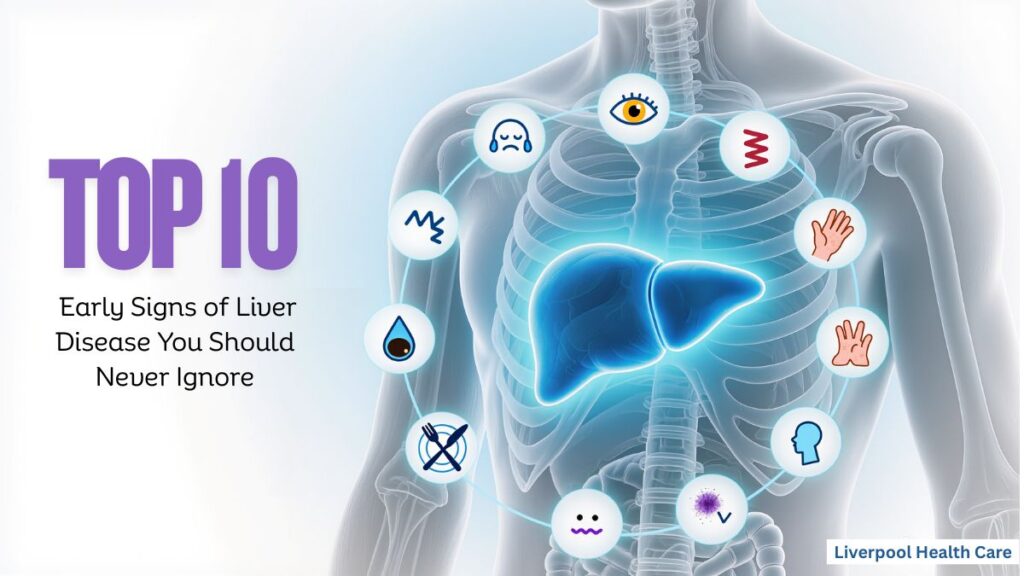
Liver disease is often called a “silent killer” because symptoms usually appear late. The liver is essential for detoxifying blood, producing enzymes, storing nutrients, and supporting metabolism. Recognizing the early symptoms of liver disease can help prevent serious complications such as fatty liver, cirrhosis, or even liver cancer. Below are the top 10 warning signs of liver problems you should never overlook.
1. Persistent Fatigue and Weakness – First Signs of Liver Problems
Constant tiredness, even after enough rest, can be an early indication of liver disease. When the liver cannot filter toxins efficiently, it causes fatigue, weakness, and lack of focus.
2. Yellowing of the Skin and Eyes (Jaundice) – A Key Liver Symptom
One of the most common symptoms of liver damage is jaundice. The buildup of bilirubin in the blood leads to yellowing of the eyes and skin, signaling poor liver function.
3. Unexplained Weight Loss – Possible Sign of Liver Damage
Unexpected weight loss without dietary changes is another red flag. Since the liver helps regulate digestion and metabolism, liver damage can lead to reduced nutrient absorption.
4. Abdominal Pain and Swelling – Early Liver Disease Symptom
Pain in the upper right abdomen is a common sign of liver inflammation. Severe cases may result in ascites, a condition where fluid collects in the stomach area.
5. Nausea and Vomiting – Digestive Issues Linked to Liver Health
Frequent nausea or vomiting can indicate a failing liver. When toxins accumulate in the body, the digestive system becomes overloaded, leading to discomfort.
6. Dark Urine and Pale Stool – Common Liver Disorder Signs
Changes in urine and stool color often reveal early liver problems. Dark urine suggests excess bilirubin, while pale stool may indicate bile duct blockage.
7. Loss of Appetite – Symptom of Fatty Liver Disease
A sudden lack of appetite may point to fatty liver or other liver disorders. Since the liver produces bile for digestion, reduced function affects appetite and food absorption.
8. Swelling in Ankles and Legs – Fluid Retention from Liver Damage
Liver disease often causes fluid retention, resulting in swollen ankles and legs. This is a common symptom of cirrhosis or advanced liver failure.
9. Easy Bruising and Bleeding – Clotting Issues Caused by Liver Disease
The liver produces clotting proteins. When damaged, even minor injuries may cause severe bruising or bleeding due to reduced clotting ability.
10. Itchy Skin – Overlooked Early Sign of Liver Disease
Persistent itching without a visible rash may be due to bile salt buildup under the skin, often linked to liver dysfunction.
When to See a Doctor for Liver Disease Symptoms
If you experience these symptoms, seek medical advice immediately. Early detection through blood tests and imaging can help prevent advanced liver failure and improve treatment success.
Frequently Asked Questions About Liver Disease
In early stages such as fatty liver, lifestyle changes, diet, and exercise can often reverse the condition with proper medical guidance.
Excessive alcohol use, hepatitis infection, obesity, genetics, and toxin exposure are the most common causes.
Key symptoms include jaundice, fatigue, abdominal pain, dark urine, and swelling. A liver function test confirms the diagnosis.
Leafy greens, whole grains, lean proteins, garlic, turmeric, and antioxidant-rich foods support liver function.
Avoid excessive alcohol, eat a balanced diet, maintain a healthy weight, exercise regularly, and get vaccinated for hepatitis.
Conclusion – Why You Should Never Ignore Early Liver Disease Symptoms
The liver is vital for overall health, and ignoring early warning signs can lead to life-threatening complications. From fatigue and jaundice to unexplained weight loss and abdominal swelling, these symptoms should be taken seriously. Consult a healthcare provider if you notice any of these issues. Protecting your liver today ensures a healthier future.